
Selling functional mushrooms online is a real business opportunity, but it comes with a payment processing challenge that catches many founders off guard. Banks and payment platforms regularly flag functional mushroom payment processing as high-risk, leading to account closures, payment holds, and disrupted cash flow. This guide breaks down why that happens and what you can do to build a stable, compliant payment setup for your supplement brand.
The Functional Mushrooms Market at a Glance
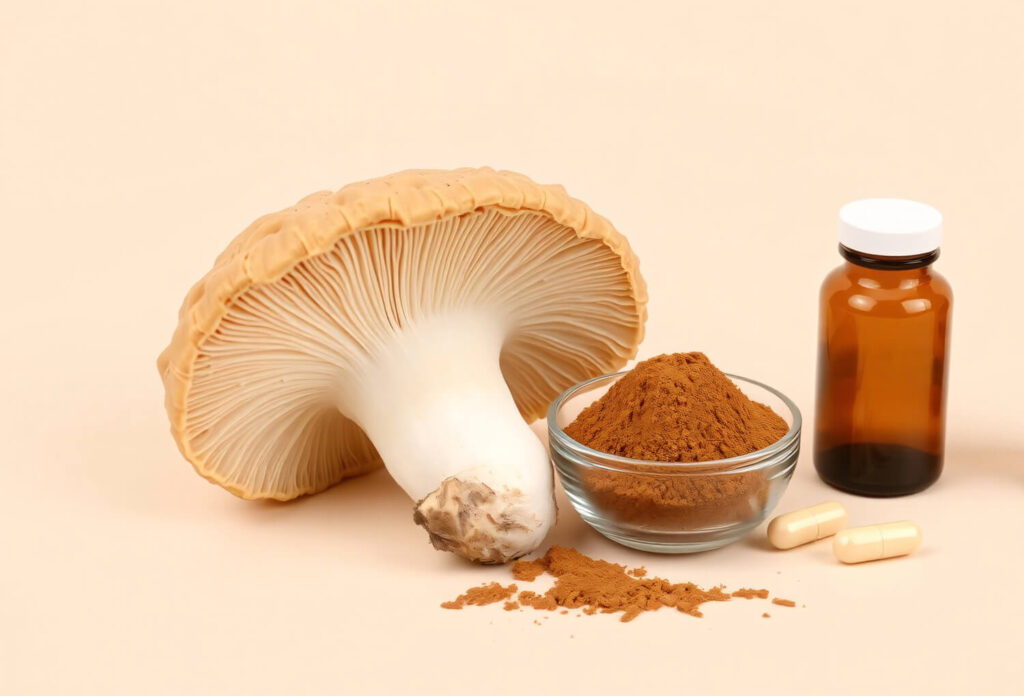
The functional mushroom industry has grown fast over the past decade. In 2026, the global market sits at approximately $45.02 billion, driven by consumer demand for natural wellness products.
Functional mushrooms are legal food or supplement ingredients. They are not psychedelic mushrooms. Brands commonly sell them as:
- Capsules and tablets
- Powder blends
- Mushroom coffee and beverages
- Gummies and tinctures
- Extract concentrates
These products contain bioactive compounds, such as beta-glucans (natural sugars that support immune function) and antioxidants, that are linked to various health benefits.
Most Popular Functional Mushroom Types

Reishi (Ganoderma lucidum)
Often called the “mushroom of immortality,” reishi holds roughly 21% of the functional mushroom market. Consumers buy it for immune support and stress management.
Lion’s Mane (Hericium erinaceus)
Lion’s mane is the fastest-growing segment, fueled by consumer interest in focus and memory support.
Chaga (Inonotus obliquus)
Chaga is high in antioxidants and commonly marketed for immune health and reducing inflammation.
Cordyceps
Cordyceps products target athletes and active consumers looking for better endurance and energy.
Turkey Tail (Trametes versicolor)
Turkey tail supplements are popular for gut health and immune support, thanks to their natural polysaccharide content (complex carbohydrates that support the immune system).
This growth creates a strong opportunity for adaptogenic mushroom brands. It also poses a real risk to the financial institutions that process your payments.
Why Functional Mushroom Businesses Face Payment Processing Challenges

Many supplement founders hit payment processing problems only after their store goes live. Payment aggregators such as Stripe or PayPal may close accounts or reject applications without much explanation. Here’s why.
Regulatory Ambiguity
Functional mushrooms fall under dietary supplement and food regulations, and those rules are complex. Banks and processors treat the entire category with caution because businesses must navigate:
- FDA supplement regulations
- Ingredient approval pathways, including GRAS (Generally Recognized as Safe) and NDI (New Dietary Ingredient) notifications
- Marketing restrictions around health claims
- Manufacturing compliance requirements
Since these regulations are evolving, many financial institutions avoid the category entirely.
Strict Marketing and Labeling Rules
Supplement brands cannot claim their products treat or cure diseases. They must use structure-function claims, such as:
- “Supports immune health.”
- “Helps maintain cognitive focus.”
- “Promotes energy metabolism.”
Regulators also treat curated customer reviews and influencer endorsements as part of product labeling. If those reviews contain medical claims, the brand may be held responsible. This compliance risk is one of the reasons processors classify the category as high-risk.
Chargeback Exposure in Subscription Sales
Many mushroom supplement brands rely on subscription models. That increases lifetime customer value (LTV), but it also increases dispute risk. Common chargeback scenarios include:
- Subscription billing confusion.
- Customers forget recurring orders.
- Billing descriptors customers don’t recognize.
- Delayed cancellation processing.
Card networks watch dispute ratios closely. Businesses with dispute rates exceeding roughly 1% may face penalties or account termination.
Account Closures with Standard Payment Platforms
Large payment aggregators often use automated risk systems that flag supplement keywords. As a result, mushroom sellers can experience:
- Sudden account closures
- Payment holds
- Terminated merchant agreements
- Limited access to processing tools
These risks push many merchants toward specialized high-risk payment providers.
Payment Gateway Options for Functional Mushroom Sellers

Businesses selling mushroom supplements typically choose between two processing models.
Aggregated Payment Platforms
Aggregated providers, such as Stripe, PayPal, and Shopify Payments, combine multiple businesses into a single master merchant account. These platforms allow merchants to accept payments directly from customers with major credit and debit cards. They offer quick onboarding and simple setup but provide limited support for high-risk supplements and carry a higher risk of account closure. Many supplement merchants migrate away from these platforms after launching.
Dedicated High-Risk Merchant Accounts
A dedicated high-risk merchant account gives your business its own merchant identification number through an acquiring bank. The underwriting process takes longer, but the stability is worth it.
High-risk merchant accounts typically include:
- Dedicated payment gateway integration
- Chargeback monitoring tools
- Risk management support
- Flexible underwriting for supplement businesses
Specialized merchant service providers evaluate your business model, marketing practices, product compliance documentation, and processing history. Stricter underwriting usually leads to more stable, long-term processing.
Who’s Involved in Every Transaction

If you’re new to eCommerce, it helps to understand who is involved in every transaction.
- Issuing Bank: The financial institution that issued the customer’s credit card.
- Acquiring Bank: The bank that provides your merchant account and processes payments on your behalf.
- Card Networks: Visa and Mastercard set the rules that govern how transactions are processed.
Compliance Requirements for Mushroom Supplement Merchants

Payment approval depends heavily on your compliance stance. Processors want to see that your business follows the rules.
Product Safety and Ingredient Approval
Manufacturers must confirm whether their products fall under the GRAS or NDI pathway. That determination depends on the ingredient’s history, intended use, concentration levels, and manufacturing process. Skipping this step can trigger regulatory action.
cGMP Manufacturing Standards
Supplement facilities must comply with 21 CFR 111 current Good Manufacturing Practices (cGMP), which are FDA standards for how supplements are produced and tested. Common compliance failures include:
- Lack of ingredient testing
- Missing purity specifications
- Poor quality control documentation
These failures increase perceived risk for banks and processors.
Traceability and Supply Chain Documentation
Regulators now emphasize supply chain transparency. Businesses should maintain records covering ingredient sourcing, harvesting and processing, manufacturing batches, and distribution. These records protect both consumers and financial partners.
Industry Trends Shaping eCommerce for Adaptogenic Mushrooms

Growth of Mushroom Coffee and Functional Beverages
Consumers increasingly purchase mushroom coffee blends and wellness drinks online, combining familiar formats like coffee or tea with functional mushroom ingredients. This format broadens the market beyond traditional supplement buyers.
Advances in Extraction Technology
Dual extraction techniques and newer delivery systems improve the body’s absorption of active compounds. Higher-potency products often attract more regulatory scrutiny, which adds complexity to payment underwriting.
Standardization Efforts
Organizations like the Functional Mushroom Council are working to standardize definitions for mycelium and fruiting body products. Greater clarity across the industry helps financial institutions evaluate risk more accurately.
Best Practices for Secure Mushroom Supplement Credit Card Processing

Use Clear Billing Descriptors
Customers should recognize your company name immediately on their credit card statement. Confusing descriptors leads to disputes.
Publish a Clear Refund Policy
A visible refund and cancellation policy reduces chargebacks and gives customers a direct way to resolve issues without going to their bank.
Implement Fraud Prevention Tools
Secure payment systems typically include:
- Address verification systems (AVS)
- CVV verification
- 3D Secure authentication
- AI-based fraud detection
Follow PCI DSS 4.0 Security Standards
PCI DSS compliance protects cardholder data and reduces the risk of breaches. Strong security practices include tokenization of card information, multi-factor authentication, and network segmentation for sensitive data. Merchants who maintain PCI compliance generally see better approval rates and fewer disruptions.
How AllayPay Can Help

Running a functional mushroom business takes more than a great product. You need a payment partner that can support your growth without surprise shutdowns.
Merchants who succeed long-term manage three core areas well:
- Regulatory compliance with supplement laws
- Chargeback and fraud prevention
- Stable high-risk merchant account partnerships
Ready to acquire a stable merchant account for your mushroom brand? We work directly with functional mushroom and nutraceutical businesses to help them find the right acquiring bank, set up compliant payment gateways, and stay ahead of chargeback risks. As a payments partner, we connect you with merchant account providers who understand the supplement space.
Contact us today to get started on a payment setup built for your business.