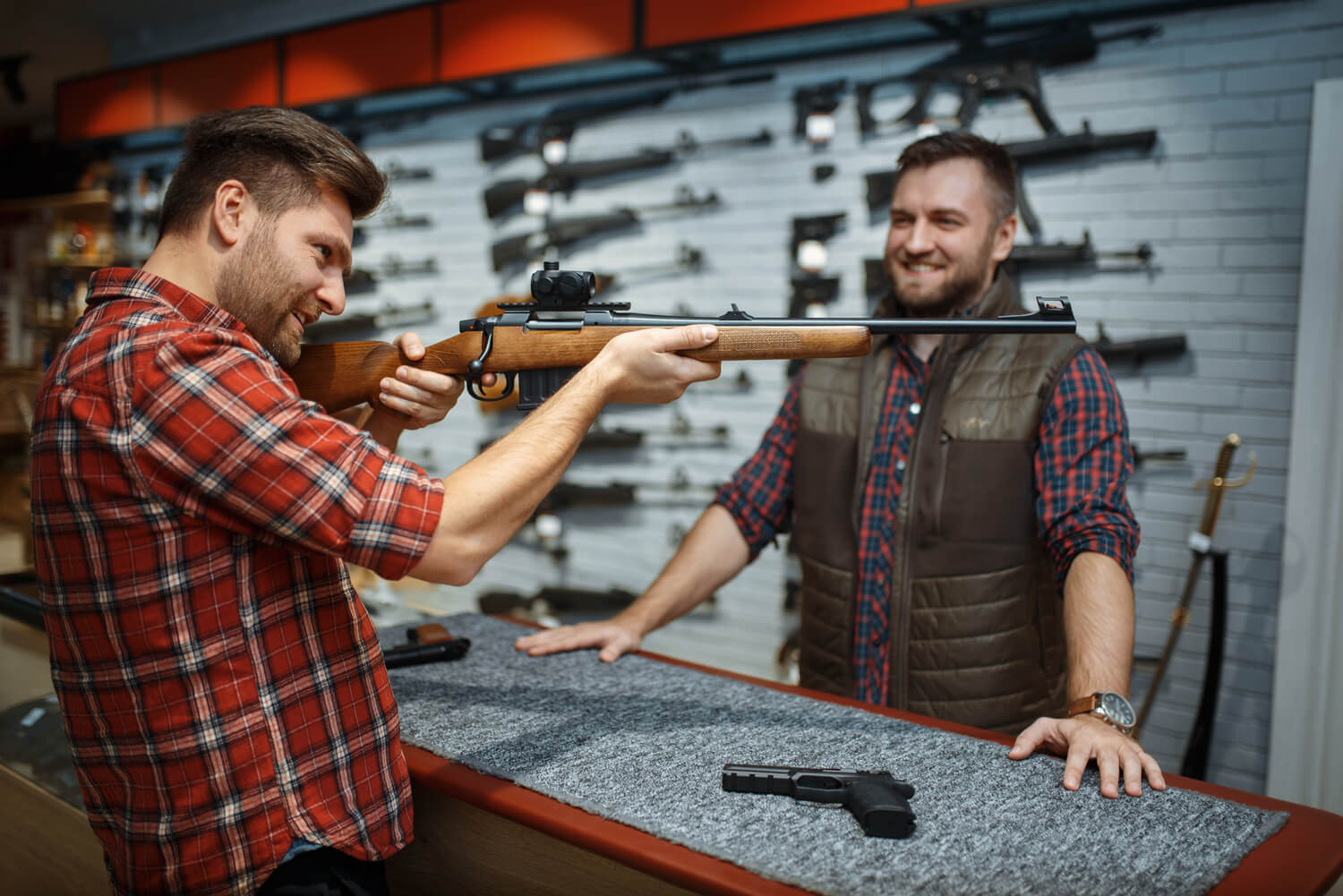
If you are considering starting a firearms business, your first step is obtaining a federal firearms license (FFL). Whether your goal is to open a retail gun shop, manufacture rifles, or import handguns from overseas suppliers, the ATF requires a valid FFL before you conduct a single transaction. This guide walks you through every aspect of the federal firearms license, from understanding the nine license types to completing your application and launching your business. By the end, you will know exactly which FFL fits your goals and how to move through the process with confidence.
How the Federal Firearms License Works
The federal firearms license system dates back to the Gun Control Act of 1968, which established the modern framework for regulating the sale, manufacture, and import of firearms in the United States. The ATF administers the program through its Federal Firearms Licensing Center (FFLC) in Martinsburg, West Virginia.
Each FFL authorizes a specific category of firearms-related activity. A dealer’s license does not permit manufacturing, and a manufacturer’s license does not authorize importing. Choosing the correct license type from the start is essential because operating outside the scope of your FFL can result in severe penalties, including license revocation, substantial fines, and criminal charges.
All 9 Federal Firearms License Types Explained
The ATF issues nine types of federal firearms licenses, each tied to a different business activity. Below is a breakdown of what each type authorizes, who typically needs it, and how much it costs.
Type 01: Dealer in Firearms (Excluding Destructive Devices)
The Type 01 is the most widely held FFL in the country. It authorizes the buying and selling of standard firearms (handguns, rifles, shotguns, frames, and receivers) as a business. Gunsmithing, which includes repairing firearms and fitting barrels, stocks, or trigger mechanisms, is also covered. This license is the go-to option for anyone opening a retail gun store, running an online firearms shop, operating a home-based FFL, or doing transfers at gun shows.
Type 02: Pawnbroker in Firearms (Excluding Destructive Devices)
Pawnshop owners who accept firearms as collateral for loans need a Type 02 license. In addition to pawn transactions, this license also permits the sale and repair of firearms. If your primary business model involves lending money secured by guns, this is the license to pursue.
Type 03: Collector of Curios and Relics
The Type 03 is unique among all FFL types because it is available to individual collectors, not just businesses. It authorizes the purchase, sale, and trade of firearms that qualify as curios and relics, which generally include guns that are at least 50 years old or that have been certified by the ATF as having special historical or collector interest. Type 03 holders can acquire qualifying firearms across state lines and have them shipped directly to their home. This license does not authorize operating a firearms business.
Type 06: Manufacturer of Ammunition (Excluding Destructive Devices)
Anyone who intends to manufacture ammunition for sale or commercial distribution needs a Type 06 license. This is a popular option for reloaders who want to produce match-grade, specialty hunting, or bulk ammunition on a commercial scale. The license does not cover the production of armor-piercing rounds or ammunition for destructive devices.
Type 07: Manufacturer of Firearms (Excluding Destructive Devices)
If your business plan involves building firearms for sale, you need a Type 07 license. This FFL authorizes the manufacturing of standard firearms and also permits selling and dealing. A Type 07 holder can also manufacture ammunition without obtaining a separate Type 06 license. Manufacturers who want to produce National Firearms Act (NFA) items such as suppressors, short-barreled rifles, or machine guns will also need to register as a Special Occupational Taxpayer (SOT).
Type 08: Importer of Firearms and Ammunition (Excluding Destructive Devices)
Businesses that bring firearms or ammunition into the United States from foreign sources need a Type 08 license. The license also permits selling imported firearms and ammunition domestically. Importers must comply with additional regulatory requirements, including obtaining import permits from the ATF.
Type 09: Dealer in Destructive Devices
This specialized license authorizes the sale of firearms classified as destructive devices, which can include certain explosive ordnance and other regulated items. Dealers with a Type 09 can also sell ammunition designed for destructive devices.
Type 10: Manufacturer of Destructive Devices
Manufacturers producing destructive devices or ammunition for these weapons need a Type 10 FFL. This license also permits the sale and limited import of destructive devices. Due to the nature of the products involved, application fees and renewal costs are significantly higher than standard license types.
Type 11: Importer of Destructive Devices
A Type 11 license covers the import of any firearm, ammunition, or device classified as a destructive device. Holders can also sell imported products domestically. Like Types 09 and 10, this license carries the highest fee tier.
How Much Does a Federal Firearms License Cost?

FFL costs depend entirely on the license type you choose. Below is a complete breakdown of initial application fees and three-year renewal fees, based on current ATF fee schedules.
| FFL Type | Application Fee | 3-Year Renewal Fee |
| Type 01 (Dealer) | $200 | $90 |
| Type 02 (Pawnbroker) | $200 | $90 |
| Type 03 (Collector) | $30 | $30 |
| Type 06 (Ammo Manufacturer) | $30 | $30 |
| Type 07 (Firearms Manufacturer) | $150 | $150 |
| Type 08 (Importer) | $150 | $150 |
| Type 09 (Destructive Device Dealer) | $3,000 | $3,000 |
| Type 10 (Destructive Device Manufacturer) | $3,000 | $3,000 |
| Type 11 (Destructive Device Importer) | $3,000 | $3,000 |
Because each FFL is valid for three years, you can calculate the annual cost by dividing the fee by three. For example, a Type 01 dealer’s license costs roughly $67 per year on the initial application and just $30 per year at renewal. By comparison, destructive device licenses run $1,000 per year across the board.
Additional Costs to Budget For
Beyond the ATF application fee, there are several additional expenses to consider when budgeting for your FFL.
- Fingerprinting: All applicants (except Type 03 collectors) must submit fingerprint cards with their application. You can use a professional fingerprinting service or purchase a kit and do it yourself. Costs typically fall in the $20 to $50 range per card.
- Background Check: The FBI does not charge a fee for the NICS check associated with FFL applications. However, some states that serve as points of contact for background checks may impose a small fee.
- ITAR/DDTC Registration: Manufacturers who meet the State Department’s definition of a firearms manufacturer and produce items listed on the United States Munitions List (USML) may need to register with the Directorate of Defense Trade Controls (DDTC). This registration costs $2,250 per year.
- SOT Registration.: FL holders who want to work with NFA firearms (suppressors, machine guns, short-barreled rifles) can register as a Special Occupational Taxpayer. The annual cost is $500 for businesses with gross receipts of $500,000 or less, and $1,000 for larger operations.
- Excise Tax: Firearms manufacturers who produce more than 50 guns in a calendar year are subject to a 10-11% excise tax on each firearm’s value. Many smaller manufacturers strategically manage their production volume to stay below this threshold.
- Insurance: As a firearms business, you will need commercial insurance before opening your doors. Firearms-specific policies are more expensive than typical small business coverage due to the liability involved.
FFL Eligibility: Who Can Apply for a Federal Firearms License?

Before filling out any paperwork, you need to confirm that you meet the basic eligibility requirements set by the Gun Control Act of 1968. The ATF requires every applicant to satisfy the following criteria.
- You must be at least 21 years old, a U.S. citizen or legal permanent resident, and free of any felony convictions.
- You cannot have a history of illegal drug use (including federally prohibited marijuana), domestic violence convictions, or any other disqualifying offenses under federal firearms law.
- You must not have been formally adjudicated as mentally incompetent or committed to a mental institution.
- You must operate from a physical premises, and you must not have any violations of federal gun laws on your record.
Certifications Required with Your Application
In addition to meeting the personal eligibility requirements above, every applicant must certify the following. First, that state or local law does not prohibit the type of business you intend to conduct under the license. Second, within 30 days of approval, your business will be fully compliant with all state and local regulations, and no firearms transactions will occur until those requirements are met. Third, you have notified the chief law enforcement officer (CLEO) of the locality where your business is located, and of your intention to apply for an FFL. Fourth, you have safe and secure firearms storage and safety devices available at your premises.
Who Is Considered a “Prohibited Person”?
The ATF maintains a list of categories of individuals who cannot possess firearms or ammunition, and therefore cannot hold an FFL. Prohibited persons include anyone who has been convicted of a felony, is a fugitive from justice, is an undocumented immigrant, has been adjudicated as mentally incompetent or committed to a mental institution, is under indictment or convicted of a crime punishable by more than one year in prison, has been convicted of a domestic violence offense, is subject to a restraining order involving an intimate partner or their child, is an unlawful user of a controlled substance, has received a dishonorable military discharge, or has renounced U.S. citizenship.
How to Get a Federal Firearms License: Step-by-Step

The core application process is the same regardless of which FFL type you pursue. Below are the steps you will follow from start to finish.
Step 1: Verify Your Eligibility
Review the eligibility requirements outlined above and confirm that you qualify. Pay special attention to any state-level restrictions that may apply to your business location. Zoning laws, local permit requirements, and state-specific firearms regulations vary widely. Failing to address these before applying can delay or derail your application.
Step 2: Choose the Right FFL Type
Decide which FFL aligns with your intended business model. If you plan to buy and sell firearms at retail, a Type 01 is the standard choice. If manufacturing is part of your plan, a Type 07 offers broader flexibility since it also allows dealing and ammunition production. If you only want to collect historical firearms for personal use, a Type 03 is the simplest and most affordable option.
Keep in mind that you may need multiple licenses if your business operates from more than one location. Each physical premises requires its own separate FFL application.
Step 3: Complete ATF Form 7/7CR
Download ATF Form 7 (for Types 01, 02, and 06 through 11) or Form 7CR (for Type 03 collectors) from the ATF website. Fill out the form completely and accurately, including your personal information, business details, and premises address. Each person designated as a Responsible Person under your FFL must also complete Part B of the form. You will need to include passport-style photographs and fingerprint cards for every Responsible Person.
Step 4: Submit Your Application and Fee
Mail your completed application to the ATF’s Federal Firearms Licensing Center in Martinsburg, West Virginia, along with the appropriate application fee. The ATF accepts payment by check, credit card, or money order. You must also send a copy of the completed application to your local Chief Law Enforcement Officer (CLEO).
Step 5: Background Check and Application Review
Once the FFLC receives your application, staff will enter your information into the licensing database and begin a thorough review. They will process your fingerprint cards, photographs, and conduct electronic background checks on all Responsible Persons listed on the application. If any issues arise, the FFLC will contact you for clarification.
Step 6: In-Person Interview With an IOI
After the background check is complete, the FFLC forwards your application to the ATF field office nearest to your business location. A field office supervisor assigns an Industry Operations Investigator (IOI) to conduct an in-person interview. During this meeting, the IOI will discuss your business plans, evaluate your knowledge of firearms regulations, and inspect your premises to confirm that they meet ATF standards for secure storage and operations. This step is not required for Type 03 collector applications.
Step 7: License Issuance
If everything checks out, the IOI submits a recommendation to the FFLC. The FFLC completes final processing and issues your federal firearms license. The entire process, from application receipt to license issuance, typically takes about 60 days when the application is properly completed.
What to Do After Your FFL Is Approved
Obtaining your FFL is a major milestone, but it is just one piece of the puzzle when launching a firearms business. Here are the critical next steps.
Set Up Payment Processing
Firearms businesses are classified as high-risk by most payment processors, which means many mainstream providers will decline your application or terminate your account without warning. Securing a gun-friendly merchant account before you open is essential. We works with FFL holders to connect them with payment processing solutions designed for the firearms industry. With experience across gun shops, ammunition retailers, and online firearms dealers, we help you find a payment partner that understands ATF compliance and the day-to-day realities of running a firearms business.
If your business involves NFA firearms, you may need to register as a Special Occupational Taxpayer. SOT registration allows you to deal in, manufacture, or import NFA items such as suppressors, short-barreled rifles, and machine guns without paying the $200 per-item transfer tax on each transaction. The annual SOT fee ranges from $500 to $1,000, depending on your business size. The SOT year runs from July through June, so timing your registration strategically can save money.
Obtain Required Permits and Registrations
Depending on your business type and location, you may need additional permits or registrations. Manufacturers and many gunsmiths must register with the Directorate of Defense Trade Controls (DDTC). Importers typically need a separate import permit from the ATF. State and local jurisdictions may also impose their own licensing requirements, so check with your local government offices to make sure you are fully covered.
Get Proper Insurance
Before conducting any transactions, secure appropriate commercial insurance for your firearms business. Due to the inherent liability involved in selling, manufacturing, or importing firearms, your insurance costs will likely be higher than those of an average small business. Research providers who specialize in firearms industry coverage and understand the specific risks involved. Adequate insurance is a legal requirement, and you will not be able to operate without it.
Maintain Accurate Records and Stay Compliant
The ATF takes recordkeeping seriously, and failure to maintain accurate records is one of the top reasons licenses get revoked. Every firearms transaction must be documented in an ATF-approved Bound Book (also called an Acquisition and Disposition, or A&D, record), and Form 4473 must be completed for every transfer to a non-licensee. These records must be kept for at least 20 years.
ATF compliance inspections can happen once per year, and they are often unannounced. Staying organized from day one is not just the best practice. It is the only way to protect your investment and keep your business running.
When You May Not Need an FFL
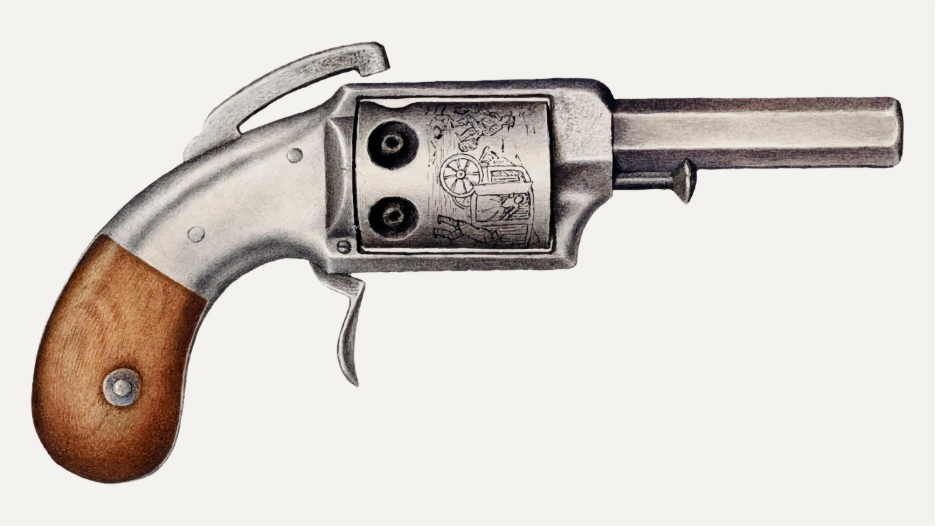
Not every firearms-related activity requires a federal firearms license. There are a few notable exceptions. You do not need an FFL to sell a firearm from your personal collection as an occasional, non-business transaction. Selling small arms ammunition alone (without manufacturing it) does not require a federal license, although some states may impose their own requirements. Family transfers of firearms may be exempt depending on state law. Selling certain antique firearms (generally those manufactured before 1899) is also exempt from FFL requirements. However, the line between personal sales and unlicensed dealing is narrow, and the ATF has stepped up enforcement in this area. When in doubt, consult with a firearms attorney.
Get Started with Your Federal Firearms License Today
Applying for a federal firearms license is a structured process with clear steps, and most applicants receive their license within 60 days. The most important things you can do are choose the right license type for your business model, complete your application accurately, and prepare for the IOI interview by demonstrating your knowledge of ATF regulations and your commitment to compliance.
Once your FFL is in hand, your next priority should be securing a reliable, gun-friendly payment processing partner. We specialize in high-risk merchant accounts for firearms businesses and understand the challenges that come with operating in a heavily regulated industry. Whether you are opening a brick-and-mortar gun store, launching an online firearms shop, or setting up a manufacturing operation, AllayPay can help you find the right payment solution.
Ready to set up payment processing for your firearms business? Contact us today to get started.
Frequently Asked Questions
How long does it take to get a federal firearms license?
The ATF is mandated to process your application within 60 days of receiving a properly completed submission. Delays can occur if your application is incomplete, if background check issues arise, or if scheduling the IOI interview takes longer than expected.
How long is a federal firearms license valid?
Every FFL is valid for three years from its date of issuance. You must submit a renewal application (ATF Form 8 Part II) before the expiration date to continue operating without interruption.
Can I get an FFL without owning a business?
The only FFL available to individuals who do not operate a business is the Type 03 Collector of Curios and Relics. All other license types require that you be engaged in a bona fide firearms business.
Can I operate an FFL from my home?
Federal law permits home-based FFLs. However, your local zoning ordinances must also allow it. Some municipalities and homeowner associations have restrictions that could prevent you from operating a firearms business at a residential address. Always verify with your local zoning department before applying.
Does an FFL allow me to carry a concealed weapon?
No. A federal firearms license is a business license that authorizes specific commercial activities. To carry a concealed weapon, you need a separate concealed carry permit (CCW) issued by your state.
What is the cheapest FFL to get?
The Type 03 Collector and Type 06 Ammunition Manufacturer licenses are the most affordable, each costing $30 for both the initial application and the three-year renewal. For a business license, the Type 07 Manufacturer license at $150 is often the best value because it also allows dealing and ammunition manufacturing.
What happens if my FFL application is denied?
If the ATF denies your application, you will receive a written notice explaining the reasons. You have the right to request a hearing with the ATF to contest the denial. If the denial is based on incorrect information, resolving the discrepancy may allow you to reapply successfully.
Can an FFL be revoked?
Yes. The ATF can revoke your FFL for willful violations of federal firearms law, failure to maintain proper records, or failure to comply with a compliance inspection. Maintaining accurate records and staying current with regulations is the best way to protect your license.
Do I need an FFL to sell ammunition only?
No federal license is required to sell commercially manufactured ammunition. You only need a Type 06 FFL if you are manufacturing ammunition for sale. Some states have their own licensing or permit requirements for ammunition sales, so check your local laws.
What does an FFL number look like?
An FFL number is a 15-character string consisting of numbers and one letter, formatted in six sections (for example: 1-99-889-77-6Y-55555). Each section encodes information about the license, including the ATF region, IRS district, license type, expiration date, and a unique identifier for the licensee.
Is an FFL a “shall issue” license?
Yes. Under the Gun Control Act, the ATF must issue an FFL to any applicant who meets all eligibility requirements. Unlike some state permits that give discretion to the issuing authority, a federal firearms license must be granted if you satisfy the legal criteria.
How do I renew my federal firearms license?
Submit ATF Form 8 Part II along with the appropriate renewal fee before your license expires. If the FFLC has not finished processing your renewal by the expiration date, you can request a Letter of Authorization (LOA) that allows you to continue operating under your existing license for up to six months.
Do I need an FFL to accept credit card payments for firearms?
Yes. If you are selling firearms as a business, you’re required to have a valid FFL to obtain a merchant account from a payment processor.
How long does it take to get approved for a firearms merchant account?
Most firearms merchant accounts are approved by the next business day. Having all your documents ready before you apply helps speed up the process. Our experienced agents walk you through exactly what you need and help you submit a strong application from the start.


