Every time a customer pays for Kung Pao chicken or dumplings with a credit card, a few cents disappear into the digital ether. For Chinese restaurant owners, those cents add up quickly, and they’re often misunderstood.
In 2026, credit card payments are the lifeblood of restaurant transactions, but they also come with complex, layered costs that eat into profit margins. This article breaks down what restaurant payment processing fees really are, how much Chinese restaurants typically pay, and the most effective ways to reduce processing costs without losing customer convenience.
Credit Card Processing’s Key Players
Before understanding costs, it’s essential to grasp what’s happening behind every swipe or tap of a customer’s card. When a guest pays, the payment travels through multiple parties:
1. Independent Sales Organization (ISO): The company that manages your restaurant’s payment transactions.
2. Point-of-Sale (POS) Company: The POS company that you use to manage your transactions, inventory, sales, etc.
3. Card Networks: Visa, Mastercard, Amex, and Discover. These are the “highways” that move money between banks.
Think of it like a dim sum table: each player takes a small bite from the total before you see your final payout.
The Typical Costs for Chinese Restaurants
Let’s break down the fees that make up your monthly credit card processing costs.
| Fee Type | What It Covers | Typical Range |
| Interchange Fees | Charged by card networks (Visa, Mastercard, etc.) | 1.5% to 2.5% |
| Processor Markup | The fee your payment provider adds on top | 0.25% to 0.75% |
| Transaction Fee | Flat cost per swipe or online order | $0.10 to $0.30 |
| POS/Equipment Cost | Hardware and software (e.g., Clover) | $30 to $100/month |
| Monthly Minimums | Charged if sales volume is low | $10 to $25 |
| Chargeback Fees | When customers dispute charges | $15 to $25 each |
What That Means for You
On a $30 lunch bill, a typical Chinese restaurant might pay $0.60 to $1.20 in fees. If you process $50,000 per month in sales, thousands of dollars per month are going to your processor and the card networks vs in your pocket.
Why Chinese Restaurants Often Pay More
You might notice your fees are higher than those of nearby cafes or retail shops, and you’d be right. There are a few industry-specific reasons why Chinese restaurants often face higher processing costs:
1. High volume of small transactions: When your average ticket size is $15 to $20, the fees become a higher percentage of the sale.
2. Lack of transparent pricing: Many small restaurants are not taking advantage of cash discounting or surcharging pricing models that will reduce or completely eliminate processing fees.
3. Limited time for vendor comparison: Restaurant owners are busy, and payment processors know it. Many rely on the first provider their POS vendor recommends without exploring better deals.
How to Reduce Credit Card Processing Fees

There’s no magic wand to eliminate fees, but there are several proven tactics that can reduce your processing costs by thousands per year.
Negotiate for Interchange-Plus Pricing
Ask your provider if you’re on a “tiered” or “flat-rate” plan. If so, you might want to switch to interchange-plus pricing, which passes the network’s real costs directly to you with a transparent markup. For example: Instead of 2.90% flat, you might pay interchange (2.1%) plus 0.3%, which equals 2.4% total.
Shop Around Payment Providers
The best payment processors for restaurants in 2026 include:
- AllayPay – offers multiple POS Options, multiple pricing models
- Sumup POS – great for takeout/delivery integrations
- Clover – good for quick-service and table side ordering
Offer Cash Discounts
Cash discounting lets you charge a lower price to customers who pay in cash. It’s legal in all 50 states and can save you up to 4.00% on every transaction. Most businesses will simply mark up all their goods and services to match the card price. Then, for example, a $10.00 item will cost $9.60 for cash buyers.
Implement Dual Pricing
Similar to cash discounts, dual pricing automatically displays two prices at the point of sale: one for card, one for cash. AllayPay offers modern payment terminals that make this process simple and compliant.
Review Your Monthly Statements
Don’t just pay your processing bill. Analyze it.
- Check for hidden processing fees.
- Spot “non-qualified” transaction surcharges.
- Compare your effective rate (total fees divided by total sales) each month.
Or simply submit your statements to AllayPay, and we will reply with a detailed cost savings analysis within one business day.
Alternative Payment Options Chinese Restaurants Should Consider
While credit and debit cards remain dominant, new payment methods can help reduce dependency on costly card networks.
QR Code Payments
Being able to pay from your receipt is becoming extremely popular with restaurant customers.
Benefits:
- Less staff required to take payments
- Faster checkout for customers
- Direct bank-to-bank transactions
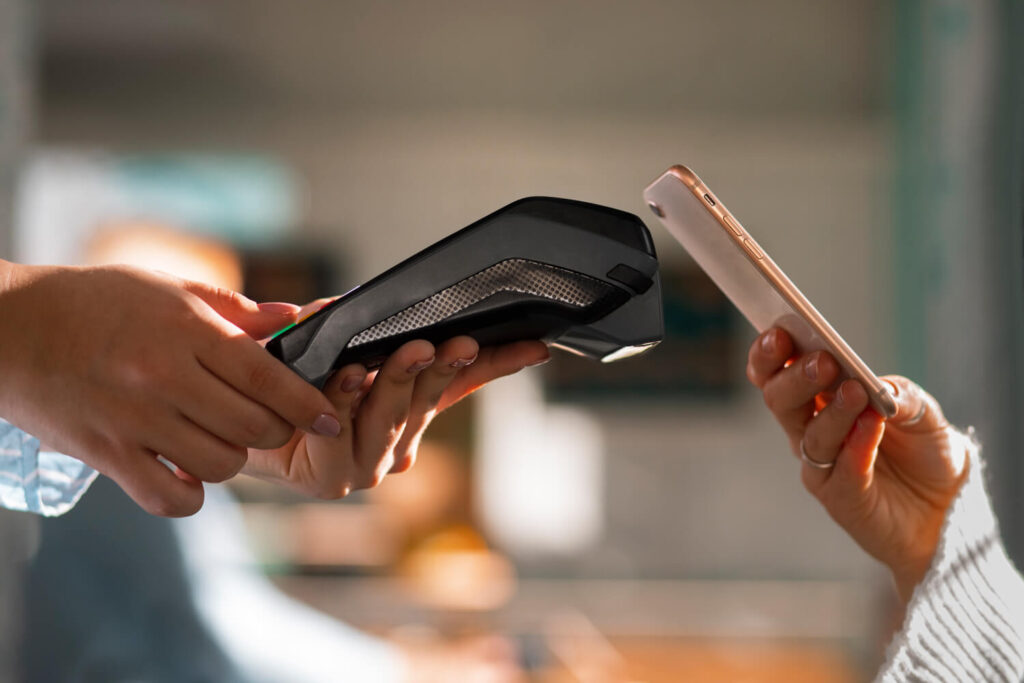
Contactless and Mobile Wallets
Accepting Apple Pay and Google Pay can reduce fraud and speed up servicehly secure.
In-App and Online Payments
If you run your own delivery service or online ordering app, integrating with payment processors like AllayPay gives you direct control and avoids high commissions from delivery apps.
Keep More of What You Earn
Every small fee adds up, but knowledge is power. By understanding where your processing costs come from and how to reduce them, your restaurant can save thousands each year without changing your menu or cutting quality.
The next step is simple:
- Audit your fees.
- Compare providers.
- Negotiate smarter.
Want to calculate your restaurant’s real processing cost? Use our Payment Calculator to see how much you could save each month.
Frequently Asked Questions
Can restaurants charge a fee for credit card payments?
Yes, most U.S. states allow a surcharge of up to 3%, provided it’s disclosed to the customer. Always check state regulations.
What’s the average processing fee for restaurants?
Typically,2% to 3% per transaction, depending on the payment method and POS system.
Is it legal to offer cash discounts?
Yes. Cash discounting is legal nationwide as long as prices are displayed clearly and consistently.
How can Chinese restaurants lower their payment processing costs?
Here are a few ways to reduce your payment processing costs per year:
- Negotiate your processor’s markup
- Encourage cash or QR code payments
- Consider switching to interchange-plus pricing
- Batch transactions daily
What is a POS system?
A POS system is a hardware device that handles sales, manages inventory, and produces receipts. Think of it as a modern-day cash register.