
Chargebacks are one of the biggest headaches for business owners today. With online shopping growing and fraudulent transactions on the rise, preventing lost revenue from chargeback fraud has never been more important. Discover how to prevent chargeback disputes and save your business thousands of dollars in fees.
The Chargeback Problem

Every chargeback hits you twice. First, you lose the original sale. Then, your payment processor charges you chargeback fees on top of that. Even worse, excessive chargebacks can label your business as high-risk, resulting in higher fees and stricter regulations.
Payment processors and credit card companies track your chargeback ratio. If you exceed their threshold for acceptable chargebacks, you may face extra fees, delayed funding, or even account closure.
Card networks like Visa and Mastercard have added strict monitoring programs to track merchant performance. Visa recently created the Visa Account Monitoring Program (VAMP), which specifically targets high-risk merchants who exceed chargeback thresholds. That’s why chargeback prevention should be a top priority if your business accepts credit card payments.
Common Chargeback Scenarios

Understanding why chargebacks happen is your first step toward effective chargeback prevention. Here are the most common reasons customers file chargebacks and how to reduce them for each scenario.
Buyer’s Remorse and Friendly Fraud Chargebacks
“Friendly fraud,” also known as first-party fraud, may sound misleading because it’s anything but friendly to your bottom line. This type of fraud happens when customers dispute legitimate purchases for the wrong reasons. Here are some examples:
- Memory Lapses: Your customer forgot they made the purchase and thinks it’s fraudulent when they see it on their credit card statement.
- Transaction Confusion: The billing description on their statement does not match your store’s name, so they don’t recognize the charge.
- Family Purchases: Someone in their household used the card without telling them, leading to customer disputes.
- Buyer’s Remorse: Instead of processing refund requests the right way, customers claim the charge was unauthorized to get their money back faster through the chargeback process.
True Fraud
True fraud is different from friendly fraud chargebacks. This type of fraud happens when criminals steal credit card information and use it for unauthorized purchases without permission. Hackers use stolen account information to create counterfeit cards for fraudulent activity. Fraudsters can also set up phishing scams, which trick people into giving up their debit card or credit card details.
Merchant Error Chargebacks
Sometimes chargebacks happen because of merchant errors on your end.
- Double Charging: Your system charges the same customer twice for one purchase, leading to customer claims of duplicate transactions.
- Wrong Transaction Amount: A $16 purchase gets entered as $61. The customer does not notice the error until they review their card statement.
- Processing Errors: Equipment malfunctions or employee mistakes during card transactions cause processing issues.
Issues with Product Quality or Services
When customers aren’t happy with their purchases, chargebacks often follow. Orders that never arrive lead customers to suspect fraud. If the wrong items get shipped, or customers receive defective products, the cardholder initiates a chargeback. Make it easy for customers to reach you when there’s a problem to avoid these chargeback issues.
How to Fight Chargeback Fraud
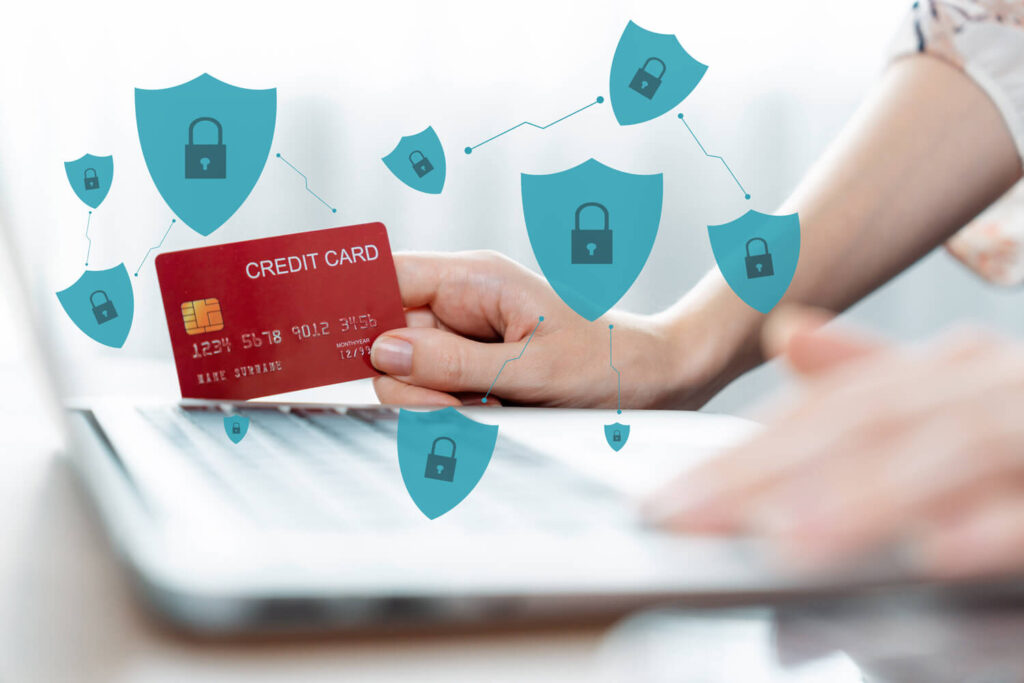
Merchants like you need to defend against fraudulent transactions and illegitimate chargebacks. Here’s how you can protect your business and minimize risk.
3D Secure: Your First Line of Defense
Your primary line of defense is integrating 3D Secure (3DS). 3DS is a security protocol developed by Visa and Mastercard to verify that the person using a credit card is the actual cardholder. Think of it as an extra layer of protection for your credit card. It helps prevent credit card fraud.
Here’s how the chargeback process works with 3DS protection:
- Customer starts checkout: They enter their payment information as usual.
- Security check triggers: The system uses data analysis to check if extra verification is needed for high-risk transactions.
- Identity confirmation: The customer’s issuing bank confirms it’s them, usually via text or app.
- Transaction approved: Once verified, the payment goes through.
- Protection activated: If an illegitimate chargeback happens later, it’s the bank’s responsibility, not yours.
If you’re selling to customers in Europe, then 3DS is mandatory. For others, we strongly advise you to integrate this chargeback prevention security method. AllayPay helps you integrate 3D Secure protection into your payment processing system to reduce fraud and shift liability away from your business.
Real-Time Alerts Keep You Informed
Most payment processors notify you immediately when someone files a chargeback against your business. Speed matters in these situations. The sooner you are aware of customer disputes, the sooner you can respond with evidence to support your position. Speed helps reduce the number of chargebacks that go uncontested.
Blocking Problem Customers
Think of block lists as a business’s “do not fly” list. Merchants keep track of customers who have filed chargebacks in the past or who have committed fraud. When they attempt to make another credit card transaction, the system flags it. This allows you to decide how to handle it.
You might request extra verification, cancel the order, or decline the sale. It’s your choice, but at least you’ll know what you’re dealing with before another chargeback costs you money.
Customer Service Is Your Secret Weapon

Great customer service prevents chargebacks more than any fancy technology. Many customer disputes happen because customers can’t figure out how to contact you or feel ignored when they have problems.
Make your return and refund policies crystal clear. Put them on your website, include them with receipts, and make sure your staff knows them inside and out. Clear policies help prevent transaction confusion and reduce the chance customers will file chargebacks instead of processing refund requests.
Give customers options to contact you: phone, email, chat, whatever works for your business. The easier it is to contact you, the less likely they are to go straight to their credit card company.
Be honest and upfront about what you’re selling. Clear product descriptions, accurate billing addresses, and realistic delivery times help build trust and prevent disappointment.
Chargeback Insurance: Extra Protection When You Need It

Insurance provides an extra safety net for businesses that face high chargeback ratios. You pay a small fee per transaction or a monthly premium, and the insurance company covers chargeback costs from illegitimate disputes.
This protection is especially valuable for businesses dealing with excessive chargebacks. Make sure you understand what’s covered and what isn’t before you sign up. Some policies have limits on the transaction amounts they’ll reimburse.
How to Fight Back When Chargebacks Happen

Even the best chargeback prevention tools won’t eliminate the risk. That’s why it pays to be prepared.
One good strategy is to collect as much information as possible on all transaction details prior to chargebacks. Depending on your industry and business, this may include proofs of purchase, customer correspondence, delivery confirmations, CVV (card verification value) and AVS (address verification system) matches, and any other customer purchase data you can collect.
Here’s what you should do when faced with a chargeback.
Collect All Compelling Evidence
Credit card companies use specific reason codes for each card dispute. Your response needs to address the exact customer claim.
If a customer says they never received their order, show the delivery confirmation. If they claim their card was stolen, provide evidence that they were the ones who made the legitimate purchase.
Store receipts and invoices, delivery confirmations, 3DS authentication proof, customer communications, your return policy, product descriptions, terms and conditions that the customer agreed to, and customer signatures for card-present transactions.
Store this information for at least 180 days, which is how long customers have to file chargebacks. For large transaction amounts, keep records even longer. AllayPay helps you understand what transaction data matters most for your industry and how to organize it for easier processing.
Respond Fast
You have at least 20 days to respond to a chargeback, but do not wait. The sooner you submit your dispute data, the better your chances of a successful outcome.
Use Rapid Dispute Resolution
Rapid Dispute Resolution (RDR) helps solve problems before they become official chargebacks. Your payment processor works with the customer’s card issuer to resolve disputes. RDR can help you save money and maintain a low chargeback ratio while reducing operational costs. AllayPay acts as your payment processing partner, helping companies reduce chargebacks with services like RDR.
Business Practices That Reduce Chargebacks

Prevention is always better than fighting disputes after the fact. Focus on these fundamentals to reduce chargebacks and improve the customer experience.
Sell quality products and be honest about what customers can expect. Do not oversell or make promises you can’t keep to avoid buyer’s remorse chargebacks. Follow the payment and card network rules set by credit card companies. Stay up to date on requirements and best practices for card transactions.
Respond to customer inquiries quickly. The faster you solve problems, the less likely they become chargebacks. Keep detailed transaction data for every sale. You never know when you’ll need to prove a legitimate purchase occurred.
Make customer service a priority. Happy customers do not file chargebacks. Use clear billing descriptions so customers recognize charges on their statements. Clear descriptions prevent confusion that leads to friendly fraud. Check recurring transactions to catch billing issues before they become disputes.
Warning: You May Still Lose Most Credit Card Chargeback Disputes

It’s important to understand that even if you do the above and present a compelling case for your business, you may still lose the dispute. In fact, merchants generally win only 20-30% of chargeback disputes. That’s because the chargeback process was designed to favor the consumer and was not created to account for customers engaging in friendly fraud and acting in bad faith.
Even if you do win the chargeback dispute and get your transaction funds back, you may not get back the $20-$50 chargeback fee that most payment processors charge at the beginning of the chargeback process.
Here’s Why You Must Still Defend Yourself in Customer Disputes
Given those odds, you might wonder if it’s worth disputing chargebacks at all. The answer is yes, and here’s why.
When you submit evidence and transaction data, you show your payment processor that you’re running a legitimate business. Your evidence reduces the chance they’ll label you as high-risk or close your account because of excessive chargebacks.
Think of it as protecting your reputation, not just that one transaction. Even if the merchant files a dispute and loses, you’ve demonstrated good faith effort to your processor.
Why AllayPay Is the Smartest Choice

Chargeback prevention shouldn’t keep you up at night. We specialize in payment processing solutions that help merchants reduce chargebacks and handle disputes. Our agents guide you through every step of the chargeback management process.
You could spend weeks comparing different payment processors on your own, or you could let us do the heavy lifting for you. We analyze your business and match you with a processor that understands your industry and risk profile. You get better rates, the right tools, and support from people who know what you’re dealing with.
Ready to protect your business from chargebacks? Contact us today to learn how our experienced agents can save you money and reduce your stress. We’ll help you find the right payment solution for your business needs.