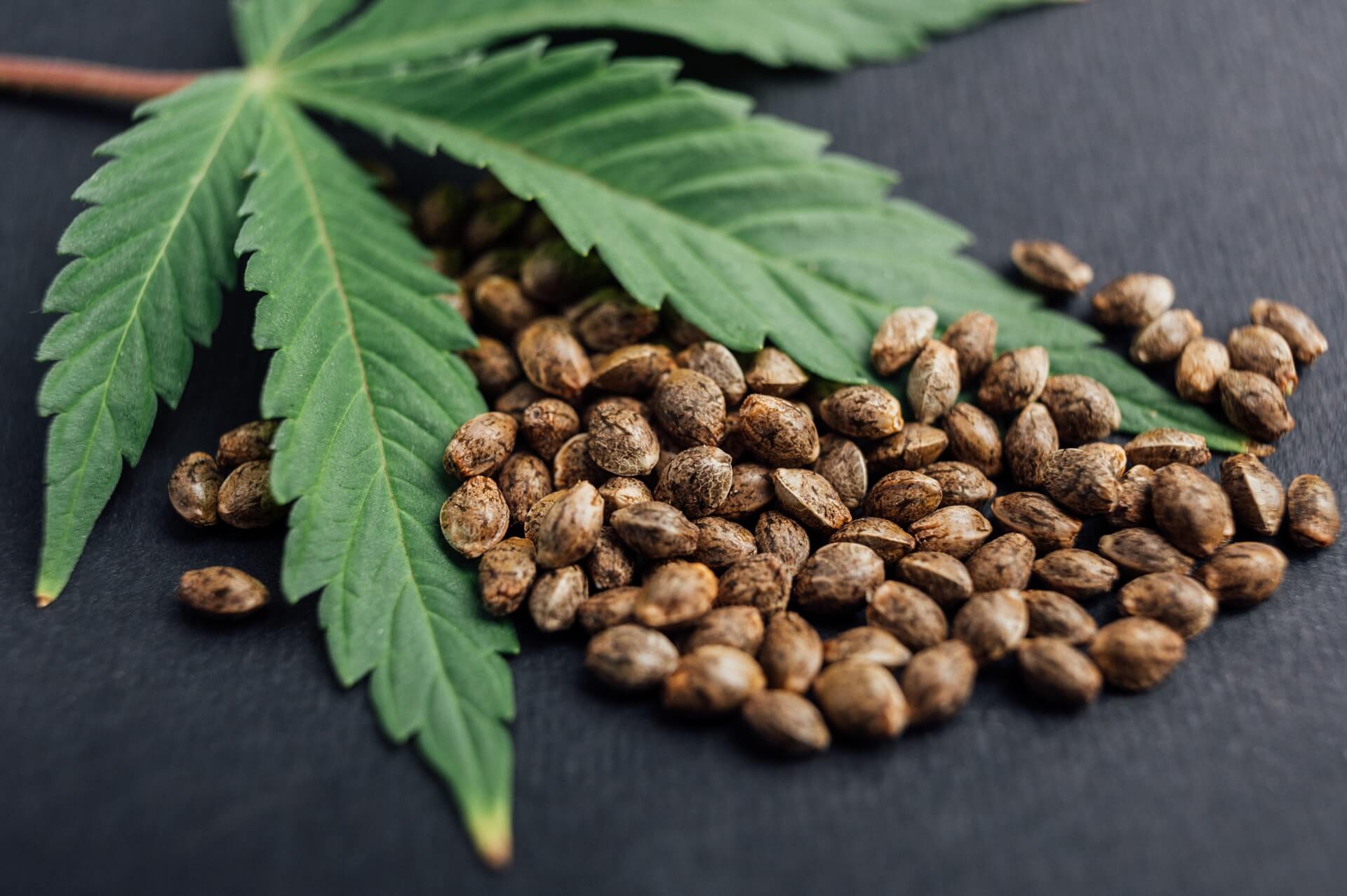
Running an online seed bank puts you in an odd spot. Your product may be federally compliant, your customers are happy, and your store is growing. Then your payment provider closes your account, holds your money, and leaves you scrambling. If that sounds familiar, you already know why cannabis seed payment processing works differently from selling t-shirts or coffee mugs.
The short version: stable card processing exists for seed businesses, but you will not find it through the mainstream tools most stores start with. You need a provider that understands the category, underwrites your business correctly, and connects you to a banking partner that already says yes to compliant seed sales.
This guide walks through how cannabis seed payment processing works, why the popular processors turn seed merchants away, what the current rules look like, and the exact steps to qualify for a merchant account you can rely on.
Selling Cannabis Seeds Legally
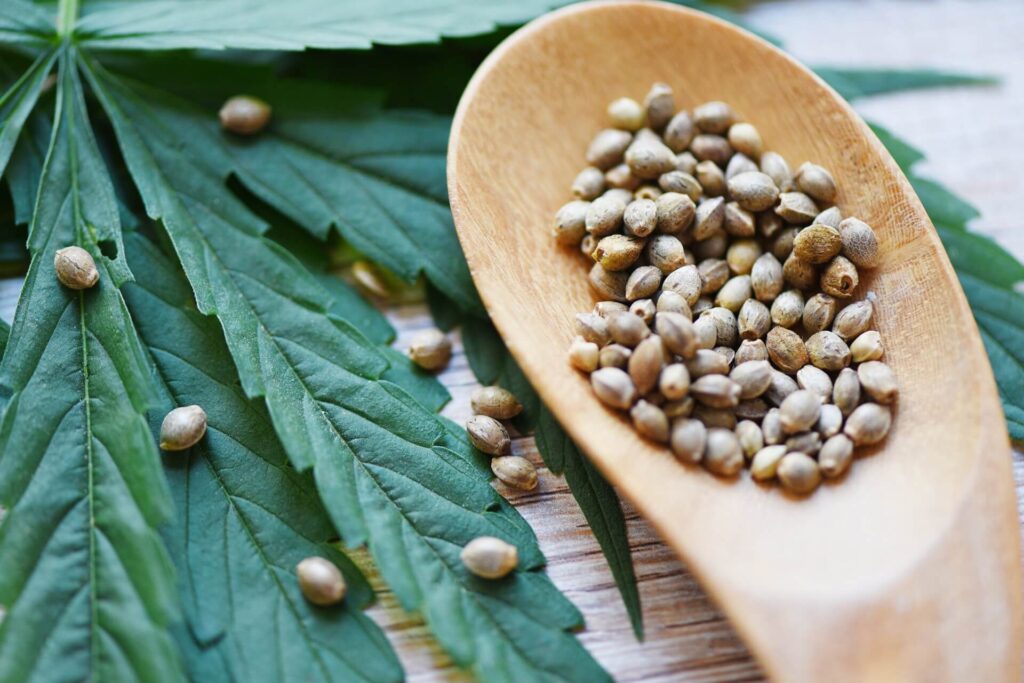
The 2018 Farm Bill removed hemp from the federal definition of marijuana. Under that framework, any part of the cannabis plant that stays at or below 0.3% delta-9 THC on a dry weight basis counts as hemp rather than a controlled substance. In 2022, the Drug Enforcement Administration confirmed in writing that cannabis seeds, tissue cultures, and genetic material fall under this same rule as long as the seeds themselves stay under the 0.3% threshold.
That is the foundation most seed banks have operated on for years. The landscape keeps shifting, though.
What Is Changing on November 12, 2026
Congress passed a spending provision in late 2025 that narrows the federal definition of hemp. Starting November 12, 2026, only products holding 0.4 milligrams of total THC per container would still count as hemp. Industry groups warn this standard would close off a large share of the market that grew after the 2018 Farm Bill.
This is the current law on the books today, not a proposal. Any seed business planning for the fall should save the date.
The Lawful Hemp Protection Act and What It Would Mean for Seeds
On July 22, 2026, Representatives Andy Barr of Kentucky and Angie Craig of Minnesota introduced the bipartisan Lawful Hemp Protection Act. The bill would replace the November standard with a national framework covering cultivation, testing, labeling, age limits, and taxes. It would also raise the crop threshold from 0.3% to 1% total THC on a dry weight basis.
For seed sellers, one part matters most. The bill excludes from the hemp definition any viable Cannabis sativa L. seed that exceeds 1% total THC, including THCA, measured on a dry weight basis. Two details make this workable for seed banks:
- THC is measured on the seed itself, not on the plant where the seed came from.
- There is no traceback to the parent plant.
That approach keeps seed sales close to how the market has operated, with the threshold moving from 0.3% up to 1%. The bill also places viable seeds in a separate industrial hemp lane, apart from the rules written for consumable products. It’s important to note that this bill hasn’t passed into law, so watch it and plan accordingly.
Can You Accept Credit Cards for Cannabis Seeds?

Yes. Many compliant seed banks accept Visa, Mastercard, Discover, and American Express through a properly underwritten high-risk merchant account.
The difference comes down to how you get approved. Mainstream tools use automated screening that flags anything cannabis-related and shuts the door. A specialized provider reviews your business as a whole and places it with an acquiring bank that already supports the category.
Whether you qualify depends on a handful of factors:
- How your business is structured
- Whether your products meet compliance standards
- What your website says and how it is built
- How you market your products
- The rules of the banking partner reviewing your file
Every acquiring bank writes its own guidelines, so approval is a matching process, not a one-size checkbox.
Rules That Decide Approval: Seeds Only

The moment your store pairs seeds with flower or other hemp products, the account falls into a different category, and approval becomes much more of a challenge. Banking partners in this space support seed sales on their own. They do not want seeds bundled with consumable or smokable products on the same account.
Getting approved comes down to two actions:
- Sell seeds, not products. Keep flower, pre-rolls, clones, and other hemp or cannabinoid items off the store that runs this account. A seeds-only catalog is what gets approved.
- Never advertise potency or yield. Do not promote THC or cannabinoid strength, and do not promise how much a plant will produce. Copy that leans on potency or yield reads as a smokable or consumable product, which is exactly what the account cannot support.
Keep the business focused on seeds, keep the marketing focused on genetics, and the path to approval stays open.
Why Stripe, PayPal, Square, and Similar Tools Reject Seed Sales

Most stores start with a payment aggregator because setup takes minutes. That speed is the whole problem for a seed bank.
Aggregators lump thousands of merchants under one master account and approve them with automated screening. That model runs smoothly for a bakery or a software company. It breaks for cannabis-adjacent products because the systems cannot tell the difference between a compliant seed and something that carries real legal exposure.
Their published policies confirm it. Stripe’s acceptable use policy currently restricts products that contain CBD or THC, and the company states it cannot support the sale of hemp-based CBD products. PayPal prohibits cannabis-related transactions and closes accounts when it finds them. Square allows some hemp-based CBD sales under conditions but enforces the rules unevenly, so accounts still get shut down. The same pattern applies to seeds specifically: PayPal and most traditional credit card processors, Stripe included, prohibit cannabis seed sales, which is why seed businesses turn to specialized high-risk merchant account providers that approve the category outright.
When one of these tools catches a seed merchant, the outcome tends to follow a script:
- The application gets declined on sight.
- The account launches, then gets reviewed and shut down later.
- Frozen funds
- Payouts get delayed
- The account gets terminated with little warning.
- Checkout stops working mid-sale
Each of those events hit revenue, customer trust, and cash flow at the same time. A specialized account lowers that risk because the bank already knows exactly what you sell before the first transaction runs.
How Cannabis Seed Payment Processing Gets Approved: A Step-by-Step Framework

Approval feels mysterious until you see the sequence. Here is how a clean application usually moves.
- Prep your business. Confirm your legal entity, EIN, and business bank account are active and consistent. Mismatched names and addresses slow everything down.
- Clean up your website. Add the required policies, secure your checkout, and remove marketing language that could raise flags. More on that below.
- Submit your application and documents. Expect to share identity, business formation, and banking paperwork.
- Underwriting review. The bank studies your products, site, marketing, ownership, and financial history to decide whether it can support you.
- Gateway integration. Once approved, you connect the merchant account to your store through a compatible payment gateway.
- Go live and stay compliant. You start processing, monitoring chargebacks, and keeping your site and products inside the rules your bank sets.
Complete applications with compliant websites move along faster. Missing documents and risky copy are the two most common reasons a file stalls.
Website Requirements That Pass Underwriting

Before a bank approves you, someone reads your website with a critical eye. Give them nothing to worry about.
Business information to display clearly:
- Legal business name
- Physical business address
- Contact email
- Phone number
- Customer service details
Policies every page should link to:
- Privacy Policy
- Terms and Conditions
- Refund Policy
- Shipping Policy
Technical must-haves:
- Active SSL certificate
- Secure, PCI-compliant checkout
- A reputable eCommerce platform
Product pages should describe what customers buy in plain, accurate terms without leaning on prohibited marketing language. Many banks also want an age gate or age verification step, so build one in.
Need help lining these up? Check out our step-by-step framework for compliance to secure a cannabis payment processor.
Marketing Language: What Helps and What Hurts Approval

Underwriters read your copy, from the homepage to blog posts to product metadata. The words you choose can move you toward approval or straight into a decline.
| Focus on This | Steer Clear of This |
| Genetics and lineage | THC or cannabinoid potency claims |
| Breeder background | Expected yield or harvest amounts |
| Germination guidance | Smoking or getting high |
| Growth habit and flowering time | Psychoactive or intoxicating effects |
| Seed quality and characteristics | Medical or disease-treatment claims |
| Clear, accurate descriptions | Wellness guarantees or FDA approval hints |
The pattern is simple. Talk about the seed as a seed. Describe genetics, breeders, and how to germinate it. Two lines you never cross: do not advertise potency, meaning THC or cannabinoid strength, and do not promise yield, meaning how much a plant will produce. Copy built around potency or yield signals a smokable or consumable product, and that is the fastest way to lose an approval.
Payment Gateways and Platforms That Support

Most cannabis seed sellers already have a store they like. The goal is to keep it and swap the payment layer underneath.
Specialized merchant accounts connect through gateways that plug into the platforms you already use, including:
- Shopify
- WooCommerce
- BigCommerce
- Wix
- Webflow
- Squarespace
- Adobe Commerce (Magento)
- OpenCart
- Odoo
- Authorize.net
- NMI
- accept.blue
A few platform notes worth knowing:
Shopify. Shopify Payments will not process cannabis seed sales, since it runs on a network that prohibits the category. The fix is a third-party merchant account connected through an approved gateway, which lets you keep Shopify’s storefront while routing payments through a supportive processor.
Wix. Seed merchants on Wix often run into payment blocks. Rather than rebuilding the site, many integrate a specialized gateway with an alternate checkout while keeping their existing design, catalog, categories, and SEO intact.
Authorize.net. It remains one of the most recognized gateways in eCommerce and pairs well with a cannabis-friendly merchant account, offering secure acceptance, fraud tools, tokenization, recurring billing, and a virtual terminal. Remember, for high-risk industries, they will not process, so it works as a gateway only, so approval still depends on securing the right merchant account behind it.
Curious which integration fits your store? Browse some of our most common integrations and learn how we can save you hours of administrative work.
Reducing Chargebacks and Protecting Your Account

Getting approved is step one. Keeping the account healthy is what keeps you in business, and chargebacks are the fastest way to lose it. Card networks watch chargeback ratios closely, and high-risk accounts get less patience than most.
A few habits protect your credit card processing:
- Use a clear billing descriptor so customers recognize the charge on their statement.
- Confirm every order with an email receipt and tracking details.
- Publish honest shipping timelines and update customers when something slips.
- Make refunds easy, so buyers come to you before they call their bank.
- Verify orders with address checks and fraud tools at checkout.
- Keep records of delivery and customer communication in case you need to fight a dispute.
Small operational fixes here save accounts. A cannabis merchant that manages disputes well becomes a merchant that banks want to keep.
Specialized Processor vs. Mainstream Aggregator: A Side-by-Side Look

| Feature | Mainstream Aggregator | Specialized High-Risk Provider |
| Approval speed | Instant, then reviewed later | Underwritten upfront |
| Seed sales allowed | Generally prohibited | Supported when compliant |
| Account stability | Can close without warning | Built for the long term |
| Underwriting | Automated screening | Individual business review |
| Support | Self-service, limited | Dedicated onboarding and help |
| Banking options | Single master account | Multiple banking partners |
The mainstream route wins on speed and loses on everything that matters to a seed business over time.
How to Choose a Cannabis Seed Payment Processor

Not every provider that says “high-risk” can actually place a seed account. Look for these signals before you commit:
- Multiple banking partners, so you get matched to the right underwriter
- Real experience with regulated and cannabis businesses
- Transparent, straightforward pricing with no surprises
- Dedicated onboarding that walks you through approval
- Compliance guidance during underwriting
- A focus on long-term account stability, not a quick yes
- Responsive support you can reach when checkout breaks
- Hands-on help with your gateway integration
One red flag stands above the rest. Be cautious with any provider that promises instant approval without reviewing your business. Careful underwriting at the start is what keeps your account open later.
Documents You Will Likely Need

Requirements vary by bank, but most seed merchants get asked for:
- Government-issued ID
- Articles of Incorporation or Organization
- EIN confirmation
- A business bank account
- Recent bank statements
- Processing history, if you have any
- Your website URL
- A product catalog
Underwriting may request more along the way. Having these ready shortens the whole timeline.
Why Your Online Reputation Factors In

Banks look past your paperwork to see how you run your business in public. A solid reputation can smooth the underwriting process, while a shaky one raises questions.
Reviewers often check:
- Customer reviews
- Business history and track record
- BBB profile
- Social media presence
- Domain age
- Chargeback history
- Personal and business credit
Consistent service and a legitimate, established presence tell a bank you are worth approving.
How AllayPay Can Help You Accept Payments for Cannabis Seeds

You should not have to run your seed bank one email away from a shutdown notice. Reliable cannabis seed payment processing is within reach when you work with people who have a deep understanding of the category.
As an ISO, we partner with acquiring banks and fellow payment experts to place compliant seed merchants with a merchant account built for stability. We are not the bank, and we are not the processor. Our role is to understand your unique business, match it to the right banking partner, and guide you from underwriting through seamless integration.
Here is where we can help. If your store sells seeds and only seeds, and your marketing stays off potency and yield, we can get you set up. Pairing seeds with flower or other hemp products changes the picture and takes you outside what these accounts support. Keep it to seeds, and we can place you. Whether you sell on Shopify, WooCommerce, BigCommerce, Ecwid, or another platform, we help you keep the store your customers know while adding payment acceptance you can count on with our wide variety of eCommerce intergrations.
Ready to process with confidence? Contact us today, and we’ll walk you through the application process.
Frequently Asked Questions
What is cannabis seed payment processing?
Cannabis seed payment processing is the system that lets an online seed bank accept credit card payments through a merchant account underwritten for compliant seed sales. Because mainstream tools reject the category, seed merchants use specialized high-risk accounts connected to a supportive acquiring bank.
Can you accept credit cards for cannabis seeds?
Yes. Compliant seed banks accept major cards through a properly underwritten high-risk merchant account. Approval depends on your business structure, product compliance, website, marketing, and the requirements of the banking partner reviewing your application.
Are cannabis seeds legal to sell online in the US?
Under the 2018 Farm Bill, seeds that stay at or below 0.3% delta-9 THC on a dry weight basis are treated as hemp, and the DEA confirmed this for seeds and genetic material in 2022. A narrower federal hemp definition is scheduled to take effect on November 12, 2026, and a bipartisan bill introduced in July 2026 would replace it. State and local laws vary as well, so consult a qualified attorney before you sell.
Does the Lawful Hemp Protection Act change the rules for cannabis seeds?
Not yet. The Lawful Hemp Protection Act was introduced on July 22, 2026, by Representatives Andy Barr and Angie Craig. It has not passed, so the current law still applies. If it becomes law, it will raise the hemp threshold from 0.3% to 1% total THC on a dry weight basis and exclude viable cannabis seeds above 1% total THC. THC would be measured on the seed itself with no traceback to the parent plant, which keeps seed sales close to how the market has worked. The bill would also separate viable seed into an industrial hemp category apart from consumable products.
What happens to hemp rules on November 12, 2026?
A provision Congress passed in late 2025 narrows the federal hemp definition starting November 12, 2026, limiting hemp products to 0.4 milligrams of total THC per container. Unless Congress acts before that date, the stricter standard takes effect. Seed businesses should track this deadline and talk with legal counsel about how it applies to their products.
Why do Traditional ISOs, and payfacs like Stripe, PayPal, and Square reject cannabis seed sales?
These tools are aggregators with acceptable use policies that prohibit cannabis credit card processing. Their automated systems flag seed sales and respond with declines, account holds, or termination. Cannabis retailers need merchant services that approve of their category before processing begins.
What is a cannabis seed merchant account?
It is a cannabis payment processing account built and approved for a business that sells compliant cannabis seeds online. Instead of squeezing your store into a low-risk program that was never designed for it, the bank reviews your actual business, meaning your products, website and policies, marketing copy, ownership, documentation, and compliance history, then approves you on those terms. The result is a processing relationship built for the long haul rather than a quick approval that unravels once an account audit notices what you sell. For the broader picture see our page on high-risk merchant accounts.
Are cannabis seeds considered high risk?
Many acquiring banks classify seed businesses as high risk because of regulatory complexity and industry restrictions, even when the products are federally compliant. That classification is why specialized underwriting exists for the category.
Can I sell cannabis seeds alongside flower or other hemp products?
Not on the same account. These merchant accounts approve seed-only businesses. Once you add flower, pre-rolls, or other hemp or cannabinoid products, the account moves into a harder category and approval usually falls apart. Keep the store focused on seeds, and keep marketing off potency and yield, and the account stays approvable.
Can I accept payments on Shopify or Wix for my cannabis seed company?
Yes. Seed merchants run on Shopify, Wix, WooCommerce, BigCommerce, and other major platforms every day. You keep the store you already built and connect to a specialized merchant account through an approved payment gateway.
Do I need a Certificate of Analysis to sell cannabis seeds?
No, a Certificate of Analysis (COA) isn’t required for seeds like other hemp-derived cannabinoid products.
How long does approval take?
Usually, approvals can take as little as 2-3 business days. However, timelines depend on underwriting complexity, documentation, and banking requirements. Complete applications with compliant websites generally move faster, while missing paperwork and risky marketing copy are the most common causes of delay.
How much does cannabis seed payment processing cost?
Pricing reflects the higher-risk classification of the category and varies with your processing volume, chargeback history, and banking partner, and is usually in line with what a CBD eCommerce would pay. A reputable provider explains its pricing clearly and reviews your business before quoting, rather than promising a rate with no underwriting.
What documents do I need to open a cannabis seed merchant account?
Most merchants provide a government-issued ID, business formation documents, EIN confirmation, a business bank account, recent bank statements, recent processing history, a website URL, and a product catalog. Underwriting may ask for more during review.
How can seed banks reduce chargebacks?
Use a clear billing descriptor, send order confirmations and tracking, publish honest shipping timelines, make refunds simple, verify orders at checkout, and keep records of delivery and communication. Lower chargebacks keep your account in good standing with card networks and your bank.
What is the MCC code for cannabis seed sellers?
Cannabis and cannabis-adjacent merchants often land under MCC 5999. Your provider and banking partner decide the correct code for your account during underwriting.


